
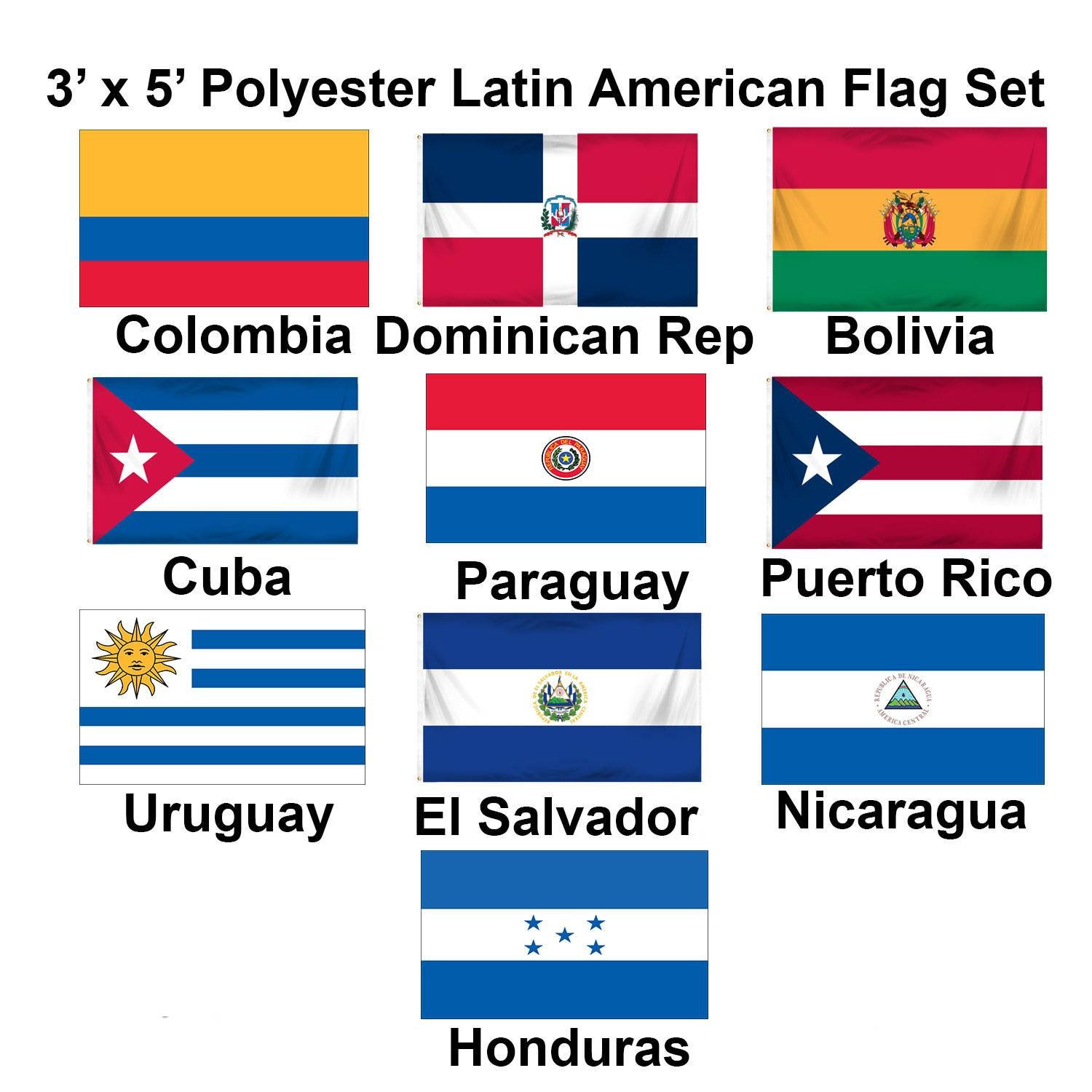
Latin American flags are a vibrant tapestry celebrating rich history and diverse cultures. From Mexico’s iconic tricolor to Brazil’s striking stars, each flag tells a unique story. Bold colors, meaningful symbols, and intricate designs reflect the essence of each nation. Explore the allure of Latin American flags and unlock the hidden meanings behind their symbolism. Delve into a world of history, pride, and unity woven into the fabric of these captivating emblems. Discover the beauty and significance that unites the diverse nations of Latin America through the artistry of their flags.

Exploring the Colorful World of Latin American Flags
Welcome, adventurers, to the vibrant world of Latin American flags! In this exciting journey, we will dive deep into the history, symbolism, and unique features of the flags that represent the diverse countries of Latin America. Get ready to uncover the fascinating stories behind the striking colors and powerful emblems that adorn these flags.
The Rich History of Latin American Flags
Flags have been used for centuries as symbols of identity, unity, and pride. In Latin America, the tradition of flag making dates back to the time of colonization, when Spanish and Portuguese explorers planted their flags in the lands they claimed. Over the years, these flags evolved to reflect the rich cultural heritage and values of each nation.
The Influence of Indigenous Cultures
Many Latin American flags incorporate elements inspired by indigenous cultures that have shaped the region’s history. For example, the flag of Mexico features a prominent eagle, a symbol deeply rooted in Aztec mythology. Similarly, the flag of Ecuador displays a condor, representing strength and freedom in Andean cultures.
The Impact of Colonialism
Colonial powers like Spain and Portugal left a lasting mark on Latin American flags through their own heraldic traditions. This influence can be seen in the use of crosses, crowns, and other European symbols on flags such as those of Argentina and Brazil. These elements serve as a reminder of the complex history of the region.
Symbolism and Meaning Behind Latin American Flags
Each color, shape, and symbol on a flag carries a specific meaning that reflects the values and aspirations of a nation. Let’s unravel the symbolism behind some of the most iconic Latin American flags:
The Flag of Brazil
The flag of Brazil is a visual feast of green, yellow, blue, and white. The green represents the lush forests, the yellow symbolizes the country’s wealth, the blue signifies the sky, and the white stars stand for the states of Brazil. Together, they convey the unity and natural beauty of this vast country.
The Flag of Argentina
Argentina’s flag is famous for its sky-blue and white stripes, which symbolize the clear skies and snow-capped Andes mountains. The golden sun in the center represents the sun shining on a new and free nation. This flag is a powerful emblem of Argentina’s fight for independence and progress.
The Flag of Mexico
The Mexican flag features three vibrant vertical stripes of green, white, and red. The green represents hope, the white symbolizes unity, and the red stands for the blood shed by the country’s heroes. In the center, an eagle perched on a cactus holding a snake portrays the Aztec legend of the founding of Tenochtitlan, now Mexico City.
Unique Features of Latin American Flags
Latin American flags stand out for their bold designs and distinctive features that set them apart from flags of other regions. From intricate coat of arms to national emblems, each flag tells a story of heritage and identity.
The Coat of Arms of Colombia
The flag of Colombia is adorned with a unique coat of arms that features a condor and an Andean condor standing on a ribbon with the national motto “Libertad y Orden” (Freedom and Order). This emblem represents the country’s natural beauty and its commitment to freedom and peace.
The National Emblem of Uruguay
Uruguay’s flag includes the national emblem, which consists of a golden sun with a face surrounded by sixteen golden rays on a blue background. The sun symbolizes freedom and a new beginning, while the blue represents the country’s clear skies and waters. This emblem reflects Uruguay’s spirit of optimism and progress.
The Mapuche Flag of Chile
Chile is home to the indigenous Mapuche people, who have their own flag that symbolizes their culture and heritage. The flag features a green star on a white background, representing the planet and the universe in Mapuche cosmology. This flag showcases the Mapuche community’s connection to nature and the cosmos.
As we conclude our exploration of Latin American flags, we have gained a deeper appreciation for the artistry, history, and symbolism that make these flags truly remarkable. Each flag weaves together a tapestry of stories, traditions, and values that resonate with the people of Latin America and beyond. Next time you see a Latin American flag waving proudly in the wind, remember the rich heritage and spirit it represents.
Join us on our next adventure as we uncover more fascinating stories from around the world. Until then, keep exploring, learning, and celebrating the diverse cultures that make our world a colorful and extraordinary place!
U.S. Latinos Guess Latin American Flags
Frequently Asked Questions
1. Which Latin American country has a flag with a yellow stripe on top, a blue stripe in the middle, and a red stripe at the bottom?
The flag described belongs to Colombia, where the yellow stripe represents the country’s richness, the blue stripe symbolizes the two oceans that border Colombia, and the red represents the blood shed for independence.
2. What does the green color on the flag of Brazil symbolize?
The green on the Brazilian flag symbolizes the lush forests and fields of the country. It also represents hope and the country’s rich natural resources.
3. Can you explain the significance of the coat of arms on the flag of Mexico?
The coat of arms on the Mexican flag includes an eagle devouring a snake while perched on a prickly pear cactus. This symbol dates back to an Aztec legend and represents the triumph of good over evil.
Final Thoughts
Latin American flags represent a rich tapestry of history and culture. From the vibrant colors of Mexico to the iconic coat of arms of Argentina, each flag tells a story. These flags symbolize unity, diversity, and patriotism across the continent. Whether it’s the Incan sun of Peru or the blue and white stripes of Uruguay, Latin American flags evoke a sense of pride and belonging. They stand as powerful emblems of national identity and heritage. Through their designs and symbolism, Latin American flags continue to inspire generations.
About the Author