Loops and threads intertwine like a seamless dance, creating intricate patterns of endless possibilities. Want to master the art of looping and threading effortlessly? Dive into the world where loops whisper stories, and threads connect destinies. With loops forming the foundation and threads weaving the narrative, let’s unravel the magic together. Stay tuned as we unravel the secrets hidden within the mesmerizing realm of loops and threads. Let your creativity soar as you embark on a journey of exploration and discovery.

The Wonderful World of Loops and Threads
Welcome, young crafters and creators! Today, we’re diving into the exciting realm of loops and threads. If you love creating beautiful things with your hands, then you’re in for a treat. Loops and threads are like the building blocks of crafting magic, allowing you to weave, stitch, and knit your way to amazing creations!
What Are Loops and Threads?
Let’s start with the basics. Loops and threads are essential elements in various crafts like knitting, crocheting, and embroidery. They are the foundation of creating fabric, patterns, and designs. Threads are thin strands of material, usually made of cotton, wool, or synthetic fibers, while loops refer to the interconnected stitches or knots that form a pattern.
Imagine threads as the colors on your palette and loops as the brushstrokes that bring your masterpiece to life. Together, they work in harmony to help you unleash your creativity and craft beautiful things.
The Magic of Loops: Knitting and Crocheting
Let’s dive into the mesmerizing world of knitting and crocheting, where loops play a crucial role. In knitting, loops are created by interlacing yarn with knitting needles to form intricate patterns and textures. Each loop is like a tiny stitch that, when combined with others, creates sweaters, scarves, and blankets.
Crocheting, on the other hand, uses a single hook to create loops that are then interlocked to form various shapes and designs. Whether you’re making amigurumi creatures or colorful afghans, loops are the heart of crocheting.
The Versatility of Loops and Threads in Knitting
Knitting is a versatile craft that allows you to create everything from cozy winter wear to delicate lace patterns. The beauty of knitting lies in the endless possibilities that loops and threads offer. By mastering different knitting techniques like casting on, purling, and binding off, you can let your imagination soar and create unique pieces that reflect your style.
Experiment with different types of yarn, colors, and textures to see how loops and threads can transform a simple ball of yarn into a work of art. Whether you’re a beginner knitter or an experienced pro, there’s always something new to learn and discover in the world of loops and threads.
Embracing Creativity with Crocheting
Crocheting is another wonderful craft that lets you explore the endless possibilities of loops and threads. From intricate doilies to cuddly amigurumi toys, crocheting offers a world of creativity at your fingertips. The beauty of crocheting lies in its simplicity – with just a hook and some yarn, you can create beautiful designs that showcase your talent and imagination.
Experiment with different crochet stitches like single crochet, double crochet, and popcorn stitch to see how loops can be combined in unique ways to form intricate patterns. Whether you’re making a cozy blanket for a loved one or a stylish hat for yourself, crocheting allows you to express your creativity in colorful and captivating ways.
The Art of Embroidery: Threads that Tell Stories
Embroidery is a timeless art form that uses threads to create intricate designs on fabric. From delicate floral patterns to elaborate tapestries, embroidery allows you to tell stories through stitches. Threads of various colors and textures are carefully woven into fabric to form beautiful motifs and designs that captivate the eye.
Embroidery is a meditative craft that requires patience and precision. Each stitch is like a brushstroke on a canvas, adding depth and dimension to the final piece. Whether you’re embellishing a pillowcase with colorful flowers or creating a personalized gift for a friend, embroidery is a versatile craft that lets you unleash your creativity in unique ways.
Exploring Different Embroidery Techniques
Embroidery offers a wide range of techniques, from basic stitches like running stitch and backstitch to more advanced techniques like satin stitch and French knots. Each technique adds a different texture and visual appeal to the embroidery, allowing you to create stunning pieces that reflect your style and personality.
Experiment with different thread weights, needle sizes, and fabrics to see how they can influence the final look of your embroidery. Whether you prefer traditional hand embroidery or modern machine embroidery, there’s a wealth of techniques to explore and master in the enchanting world of threads and loops.
Discovering the Joy of Creating with Loops and Threads
As you journey through the world of loops and threads, remember that crafting is not just about the final product – it’s about the joy of creating and expressing yourself through your craft. Whether you’re knitting a cozy sweater, crocheting a colorful blanket, or embroidering a beautiful design, let your imagination be your guide and your hands be your tools.
Embrace the magic of loops and threads, and let them inspire you to create beautiful things that bring joy to yourself and others. The possibilities are endless, and the only limit is your imagination. So pick up your needles, hooks, and threads, and let the crafting adventure begin!
Happy crafting, young makers!
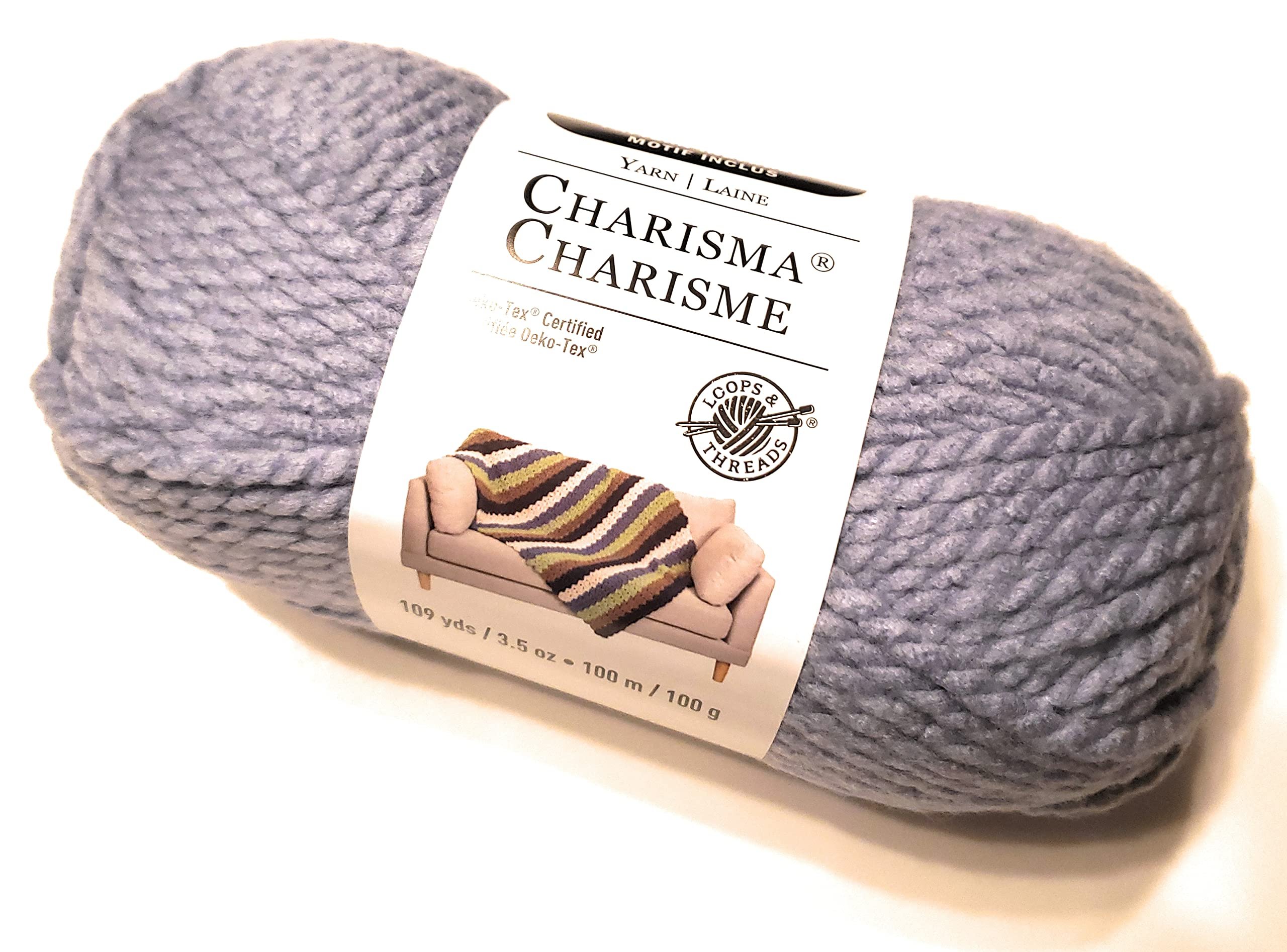
Trying Loops And Threads Yarn For The First Time (aka me being disappointed for 29 minutes straight)
Frequently Asked Questions
What are loops and threads in programming?
Loops are control structures that allow you to execute a block of code repeatedly based on a specific condition. Threads, on the other hand, are separate paths of execution within a program that enable concurrent operations.
How can loops improve the efficiency of a program?
Loops help in reducing redundancy by executing the same block of code multiple times without the need to rewrite it. This increases the efficiency of the program by automating repetitive tasks.
What are the benefits of using threads in programming?
Threads facilitate multitasking and parallel processing, allowing different parts of a program to run concurrently. This can lead to improved performance, responsiveness, and resource utilization in applications.
How do loops and threads differ in terms of execution order?
Loops execute sequentially, with each iteration following the previous one, while threads can run simultaneously and independently of each other. This difference in execution order impacts how tasks are processed and completed within a program.
Final Thoughts
In conclusion, mastering loops and threads is essential for efficient programming. Loops help in iterating through data, while threads enable parallel processing. Understanding these concepts enhances code performance and scalability. By utilizing loops effectively, it’s possible to streamline repetitive tasks, boosting productivity. Similarly, managing threads can optimize resource utilization, leading to faster execution. Embracing loops and threads empowers developers to create robust and responsive applications.
About the Author