When it comes to finishing touches in interior design, skirting boards often play a far greater role than most people realize. Positioned where the wall meets the floor, they may appear subtle at first glance, yet their impact on both the look and function of a room is undeniable. Skirting boards combine practicality with style, ensuring a space feels complete while also serving a protective purpose.
One of the primary functions of skirting boards is to safeguard walls from everyday wear and tear. Furniture, cleaning equipment, and foot traffic can easily scuff or chip painted walls at floor level. A well-fitted skirting board acts as a barrier, preserving the appearance of walls and reducing the need for frequent repairs or repainting. Beyond protection, skirting boards also provide a neat solution for concealing uneven edges, gaps, or minor imperfections where flooring meets the wall. This subtle detail enhances the overall finish of a room, giving it a sense of polish and refinement.
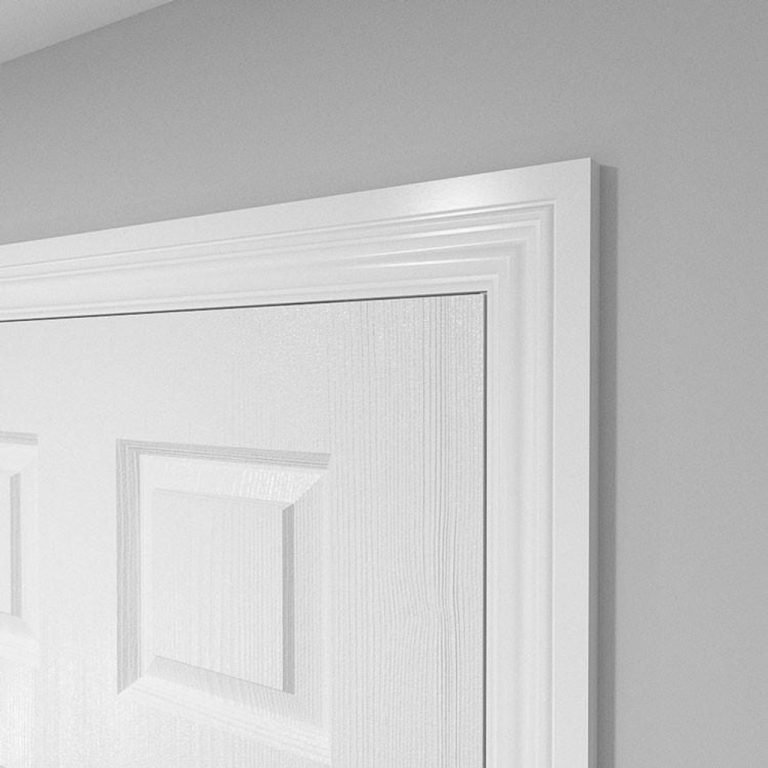
What truly makes skirting boards special, however, is their ability to introduce an element of elegance to a space. Available in a wide range of profiles, heights, and finishes, they offer the freedom to complement any design scheme. For homes with a modern aesthetic, sleek and minimalist skirting boards provide a clean, understated look. In contrast, more decorative profiles with intricate moulding details can add a touch of character and sophistication to traditional interiors. Whether painted in a crisp white to stand out or matched in tone with the walls for a seamless effect, skirting boards can be as bold or as subtle as one desires.
The choice of material also plays an important role in both style and durability. Solid timber skirting boards are valued for their natural warmth and timeless appeal, while engineered options provide greater stability and resistance to movement. In contemporary settings, moisture-resistant materials are often preferred, particularly in areas like kitchens or bathrooms where durability is essential. Each option offers unique benefits, but all serve the same purpose of elevating the design while ensuring long-lasting functionality.
Installation and proportion are key considerations in creating the right effect. A taller skirting board can make ceilings feel higher and lend a sense of grandeur, while a shorter style may suit smaller rooms or minimalist interiors. The finish, whether gloss, satin, or matte, further influences the overall impression of the space. These decisions, though often overlooked, can transform a room from simple to sophisticated.
Ultimately, skirting boards embody the perfect balance of practicality and beauty. They protect, conceal, and refine, all while contributing to the style and character of a home. Far from being an afterthought, they represent one of those essential details that tie a room together. When chosen thoughtfully, skirting boards become more than just a functional feature—they become a defining element that blends functionality with elegance, ensuring interiors remain both durable and visually appealing for years to come.
About the Author