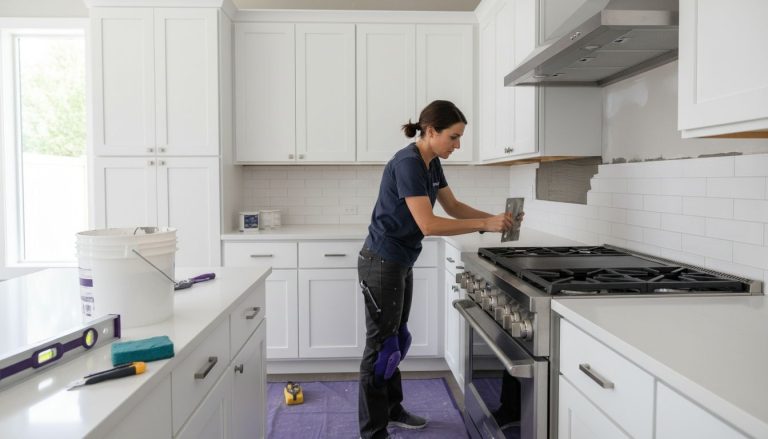

Hiring the right Tile Backsplash Installer can elevate your kitchen from ordinary to beautifully finished. A backsplash isn’t just a design feature—it protects walls, enhances visual appeal, and ties together cabinetry, countertops, and flooring. With the variety of materials, patterns, and installation methods available today, choosing an experienced installer ensures your backsplash performs well and looks stunning for years to come.
Homeowners begin by selecting a backsplash material that fits the style of their kitchen. Ceramic and porcelain tile remain top choices due to their durability, affordability, and wide design options. Porcelain, in particular, offers excellent moisture resistance and is ideal for busy kitchens. Glass tile adds brightness and contemporary flair, reflecting light to make spaces feel larger. Natural stone—like marble, slate, or travertine—brings a luxurious, organic look but often requires sealing and more frequent care. Large-format porcelain slabs or quartz backsplash panels offer a modern, seamless appearance with fewer grout lines.
Once materials are chosen, the next consideration is tile layout and pattern. Classic subway tile remains popular for its clean and versatile look, but homeowners increasingly explore herringbone, chevron, stacked, or mosaic designs. Bold patterns and textured tiles can create a focal point, especially behind ranges or sinks. Your installer should help you understand how tile size, pattern orientation, and grout spacing affect overall appearance and maintenance.
Surface preparation is one of the most critical steps in backsplash installation. A professional installer starts by cleaning and smoothing the wall to ensure proper adhesion. For kitchens with older drywall, grease buildup, or uneven surfaces, preparation may involve extra sanding or priming. Incorrect prep leads to tile shifting, uneven lines, or long-term adhesion issues, so this phase should never be rushed.
Adhesive selection also matters. High-quality mortars or mastic products are chosen based on tile material and kitchen conditions. For example, glass tile often requires specialized adhesives to prevent discoloration. Natural stone may need different bonding agents to support weight and prevent staining. A knowledgeable installer will explain why specific adhesives are used for your chosen tile.
Grout selection significantly influences both appearance and durability. Homeowners can choose from sanded, unsanded, epoxy, or specialty grouts depending on tile spacing and material. Epoxy grout offers excellent stain resistance but requires experienced handling. The grout color can either blend seamlessly with the tile or create contrast for a more dramatic look. Your installer should provide sample boards so you can visualize the final effect.
During installation, precision is key. Even tile spacing, straight lines, and clean edges distinguish professional work from amateur attempts. Tile cuts around outlets, windows, or corners require a steady hand and proper tools. A good installer double-checks alignment as they progress to avoid lippage—uneven tile edges that affect the finish and feel of the backsplash.
As your project progresses, you may consult local experts offering Tile Backsplash Installation Services to compare available options, review examples of past work, and discuss your design goals. These professionals understand material performance, layout choices, and installation challenges commonly found in California kitchens, including homes with varying wall conditions or older structural layouts.
Sealing is another vital step for certain materials. Natural stone requires sealing before and after grouting to protect against staining and moisture absorption. Even some ceramic or porcelain tiles benefit from sealed grout lines to maintain long-term cleanliness. Your installer should provide clear aftercare instructions, including cleaning products that protect tile and grout without degrading their finish.
Ventilation and moisture considerations also matter. Areas near stoves, sinks, and dishwashers require durable, heat-resistant, and water-resistant materials. A skilled installer ensures transitions between counters, appliances, and walls are properly sealed to prevent moisture intrusion.
Backsplashes also present an opportunity to incorporate functional features such as recessed niches, LED strip lighting beneath cabinets, or integrated shelves for spices or utensils. Experienced installers can coordinate these additions seamlessly with the tile layout.
For final quality assurance, inspect the backsplash under various lighting conditions. Shadows can reveal uneven grout lines or misaligned tiles. A reliable installer welcomes final walkthroughs and makes adjustments to ensure a flawless finish.
As you wrap up your search for a trusted professional, browsing listings on Sacramento area companies can help you compare reputations, customer reviews, and examples of workmanship. These resources provide valuable insight into installers who specialize in high-quality tile work and can help bring your design vision to life.
A well-installed backsplash enhances both the beauty and practicality of your kitchen. With the right materials, layout, and professional guidance, your backsplash can become the defining feature that ties your entire space together.
If you’re ready to move forward, start by gathering tile samples, choosing your pattern, and scheduling consultations with installers who understand how to blend craftsmanship with design. A carefully executed installation ensures your kitchen remains stylish, durable, and easy to maintain for years to come.